
Preventing Image Theft: A Practical Guide for Photographers and Image Rights Holders Under Italian and European Law
Photography is among the most easily appropriated forms of creative work. A digital image can be copied, downloaded, screenshotted, re-edited, and redistributed in seconds, often without any acknowledgment of the photographer or any payment for use. For professional photographers, agencies, and image rights holders, preventing image theft — and enforcing rights when theft occurs — requires a combination of protective measures before publication and enforcement actions after infringement.
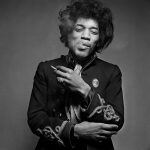
This guide provides a practical framework for both, under the Italian and European copyright framework. For the foundational copyright concepts, see our master pillar guide to copyright law in Italy and Europe. For specific case studies, see our analyses of copyright infringement and originality (Mankowitz/Hendrix) and AI photography.
In this guide
- What is protected: photographic works vs simple photographs
- Prevention: measures before publication
- Monitoring: detecting unauthorised use
- Takedown notices and platform procedures
- Civil enforcement: damages and injunctions
- Cross-border enforcement
- Frequently asked questions
- How DANDI supports photographers
What is protected: photographic works vs simple photographs
Italian copyright distinguishes two categories of photographs, each with different protection:
- Photographic works (opere fotografiche, Article 2(7) LDA): photographs reflecting the photographer’s intellectual creation through creative choices in framing, lighting, posing, timing. Protected for life of the author plus 70 years;
- Simple photographs (fotografie semplici, Articles 87-92 LDA): photographs documenting persons, objects, or aspects of nature without rising to creative work threshold. Protected for 70 years from creation (extended from 20 years by Italian Law 182/2025).
For prevention and enforcement purposes:
- Photographic works require no formalities for protection — copyright arises automatically from creation;
- Simple photographs require specific indications under Article 90 LDA: photographer’s name, year of production, and (if applicable) name of the depicted person or holder of related rights. Without these indications, certain enforcement actions may be limited.
The originality threshold for photographic works is set by CJEU jurisprudence in Painer (C-145/10, 2011): photographs qualify when the photographer has made “free and creative choices” — see our idea/expression dichotomy guide.
Prevention: measures before publication
Before publishing photographs online or in commercial contexts, several measures reduce theft risk and strengthen enforcement positions:
Metadata embedding
Embed copyright metadata (EXIF/IPTC fields) in all published images:
- Photographer’s name: in the Author/Creator field;
- Copyright notice: in the Copyright field (e.g., “© 2026 [Photographer Name]”);
- Contact information: for licensing inquiries;
- Year of creation: required for simple photographs under Article 90 LDA;
- Usage rights statement: licensing terms, restrictions, opt-out from AI training.
Metadata can be stripped by some platforms or processing tools, but it persists in most workflows and serves as evidence of authorship in disputes.
Visible watermarks
Visible watermarks deter casual theft and serve as attribution. Common approaches:
- Subtle watermark with photographer’s name or website in the image corner;
- Centred semi-transparent watermark for preview/portfolio versions;
- Different watermarking strategies for different distribution contexts.
Invisible watermarks and digital fingerprinting
Beyond visible watermarks, modern image protection includes:
- Invisible digital watermarks: imperceptible patterns embedded in the image that survive resizing, compression, and minor editing;
- Image fingerprinting: services (TinEye, Google Reverse Image Search, Pixsy) that identify image reuse across the web;
- Content authentication standards: emerging C2PA (Coalition for Content Provenance and Authenticity) standards provide cryptographic verification of image origin.
Image registration
While not required for protection in Italy, registration provides evidentiary benefits:
- SIAE deposit: voluntary deposit at SIAE provides evidence of authorship and creation date;
- Notary timestamps: notarised digital timestamps establish creation date;
- Blockchain timestamping: emerging service providers offer blockchain-based proof of authorship and timing;
- US Copyright Office registration: for photographs distributed in the US market, US registration provides specific enforcement benefits (statutory damages, attorney fees) not available without registration.
AI training opt-out
Under DSM Directive Article 4 (Italian Articles 70-ter and 70-quater LDA), AI training on copyrighted images is permitted unless the rights holder has opted out in a machine-readable manner. Implementation includes:
- robots.txt directives: blocking AI training crawlers;
- Metadata flags: NoAI, NoImageAI tags in image metadata;
- Platform-specific opt-outs: where photographs are hosted on platforms with their own opt-out frameworks;
- Terms of use: explicit prohibition of AI training in website terms.
Without opt-out, commercial AI training is lawfully permitted under Article 4. For comprehensive analysis, see our AI photography guide.
Monitoring: detecting unauthorised use
Active monitoring is essential for enforcement. Common tools and approaches:
- Reverse image search engines: Google Reverse Image Search, TinEye, Yandex Images — manual searches for specific images;
- Automated monitoring services: Pixsy, Imatag, Copytrack — automated scanning for unauthorised reuse, with enforcement workflows;
- Google Alerts: for specific photograph titles, photographer name, or distinctive descriptions;
- Social media monitoring: search tools for Instagram, Pinterest, TikTok where image reuse is common;
- Stock library monitoring: periodic searches in major stock libraries for unauthorised inclusion.
For commercially significant photography portfolios, automated monitoring services typically provide better return on investment than manual searches. Some services include enforcement workflows (automated takedown notices, licensing offers, escalation procedures).
Takedown notices and platform procedures
When unauthorised use is identified online, the first response is typically a takedown notice rather than litigation:
Platform-specific takedown procedures
Most major platforms have specific copyright takedown procedures:
- Google (Search, Images): DMCA takedown forms for removing infringing content from search results;
- Facebook/Meta: copyright reporting tools for Facebook, Instagram, WhatsApp;
- TikTok: copyright reporting tools, increasingly responsive;
- YouTube: Content ID system for video, manual copyright reporting;
- X (Twitter): copyright reporting forms;
- Pinterest: copyright reporting tools;
- Hosting providers: most major hosting providers have copyright takedown procedures.
For platforms operating in the EU, DSM Directive Article 17 imposes specific obligations on content-sharing service providers, including content recognition mechanisms and complaint-and-redress systems. Italian implementation provides AGCOM enforcement frameworks for online infringement.
Notice content
Effective takedown notices typically include:
- Identification of the photographer/rights holder;
- Specific identification of the original photograph (URL, title, registration details);
- Specific identification of the infringing use (URL, screenshot);
- Statement of good faith belief that use is unauthorised;
- Statement of accuracy under penalty of perjury;
- Contact information for response.
Civil enforcement: damages and injunctions
Where takedown notices are ignored or where commercial damages are significant, civil enforcement is available under the Italian copyright framework:
- Urgent injunctive relief (Articles 156 and 162 LDA, Article 700 Italian Code of Civil Procedure): preliminary measures to stop ongoing infringement;
- Damages: compensation for loss of profits, unjust enrichment, and moral damages. Italian courts assess based on what the infringer would have paid for a licence, often with additional uplift;
- Disgorgement: recovery of profits made by the infringer;
- Publication of decision: at the infringer’s expense, deterrent and reputational effect;
- Destruction of infringing copies: removal from circulation;
- Specialised IP chambers: in major Italian courts (Milan, Rome, Naples, Turin, Venice, Bologna, Genoa) handle copyright litigation efficiently.
Italian damage awards for photography infringement have historically been moderate (compared to US statutory damages), but have increased with the application of DSM principles on appropriate and proportionate remuneration. Combined damages — license fee + unjust enrichment + moral damages — can be substantial.
Cross-border enforcement
For images distributed internationally, cross-border enforcement uses:
- Brussels I bis Regulation (EU 1215/2012): jurisdiction and enforcement of judgments within the EU. Article 7(2) allows tort actions where the harmful event occurred;
- Berne Convention national treatment: foreign photographers receive same protection as Italian nationals in Italy, and Italian photographers receive same protection abroad as nationals of the relevant country;
- Lugano Convention: similar framework for Switzerland, Norway, Iceland;
- US enforcement: for use in the US, US Copyright Office registration is highly beneficial for litigation (statutory damages, attorney fees);
- UK enforcement (post-Brexit): UK retains broadly similar copyright framework under CDPA 1988, enforcement in UK courts requires separate proceedings;
- WIPO arbitration: alternative dispute resolution available for international IP disputes.
Frequently asked questions
Do I need to register my photographs to be protected in Italy?
No. Italian copyright protection arises automatically from creation under Berne Convention principles. SIAE deposit is voluntary and provides evidentiary benefits but is not required for protection. For simple photographs (Articles 87-92 LDA), specific indications (photographer name, year, depicted person) under Article 90 LDA support enforcement.
What’s the difference between photographic works and simple photographs?
Photographic works (Article 2(7) LDA) reflect creative choices and qualify for full copyright protection (life plus 70 years). Simple photographs (Articles 87-92 LDA) document persons, objects, or nature without creative work threshold (70 years from creation under Law 182/2025).
How can I prove I took a photograph if someone steals it?
Multiple evidence types support authorship claims: original RAW files with EXIF data, embedded metadata in published versions, voluntary registrations (SIAE deposit, US Copyright Office, blockchain timestamps), platform upload dates, drafts and outtakes, watermark patterns, related body of work in same style.
Can I send takedown notices myself or do I need a lawyer?
You can send takedown notices yourself for most platforms using their standard forms. Lawyer involvement adds weight for complex cases, multi-platform infringements, commercial damage claims, or when initial notices are ignored. For substantial commercial infringements, legal involvement from the start is advisable.
How much can I recover in damages for image theft in Italy?
Damages depend on factors: commercial use, photograph value, duration of infringement, infringer’s profits, photographer’s reputation. Italian damages typically combine: standard licence fee + unjust enrichment uplift + moral damages. For high-value commercial photographs and significant infringements, awards can be substantial. DSM principles on appropriate remuneration support increasing awards.
What about AI scrapers using my photographs without permission?
Under DSM Directive Article 4, commercial AI training is permitted unless you’ve opted out in a machine-readable manner. Implement opt-out through robots.txt, metadata flags (NoAI), platform settings, and terms of use. Without opt-out, training use is lawful. See our AI photography guide.
What if my photograph is used in a different country?
Cross-border enforcement uses Brussels I bis (within EU), Berne Convention national treatment (globally), and specific bilateral mechanisms. Within the EU, you can typically pursue infringement in either the country of origin or the country where the harm occurred. Outside the EU, jurisdiction-specific enforcement is required.
How DANDI supports photographers
DANDI.media supports photographers, agencies, and image rights holders on prevention and enforcement:
- Prevention strategy: design of metadata, watermarking, registration, AI opt-out approaches for photography portfolios;
- Takedown notices: drafting and management of multi-platform takedown campaigns;
- Cease-and-desist: formal cease-and-desist letters with appropriate legal weight;
- Civil enforcement: representation in Italian specialised IP chambers for copyright infringement litigation;
- Cross-border coordination: enforcement across multiple jurisdictions, with attention to Brussels I bis and Berne Convention frameworks;
- Settlement negotiation: alternative to litigation, often more cost-effective for medium-value infringements;
- Damages calculation: assessment of recoverable damages including licence fees, unjust enrichment, moral damages;
- Stock photography compliance: contract review and dispute resolution for photographers working with stock libraries.
For consultation, book directly with Avv. Claudia Roggero or Avv. Donato Di Pelino.
Related guides
| Topic | Resource |
|---|---|
| Copyright Law in Italy and Europe (master pillar) | /en/copyright-law-italy-europe/ |
| AI Photography (Eldagsen case) | /en/ai-artificial-intelligence-photography/ |
| Copyright Infringement (Mankowitz/Hendrix originality) | /en/copyright-infringement/ |
| Idea/Expression Dichotomy (CJEU Painer) | /en/idea-expression-dichotomy/ |
| Moral Rights in Italy | /en/moral-right/ |
| Freedom of Panorama in Italy | /en/freedom-panorama-italian-copyright-law/ |
Dandi Law Firm provides legal assistance in several Practice Areas. Check out our Services or contact Us!